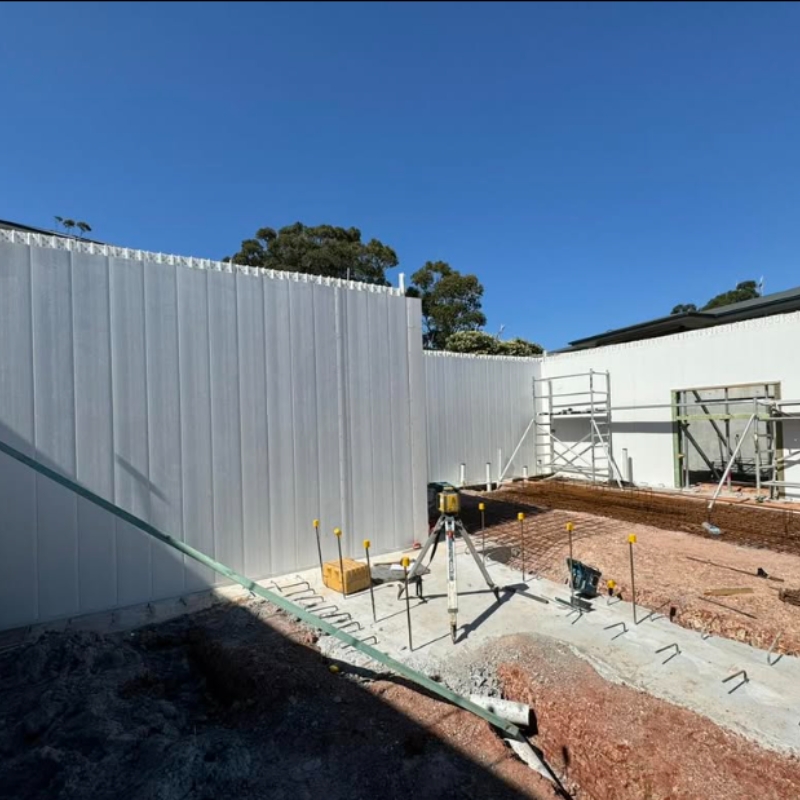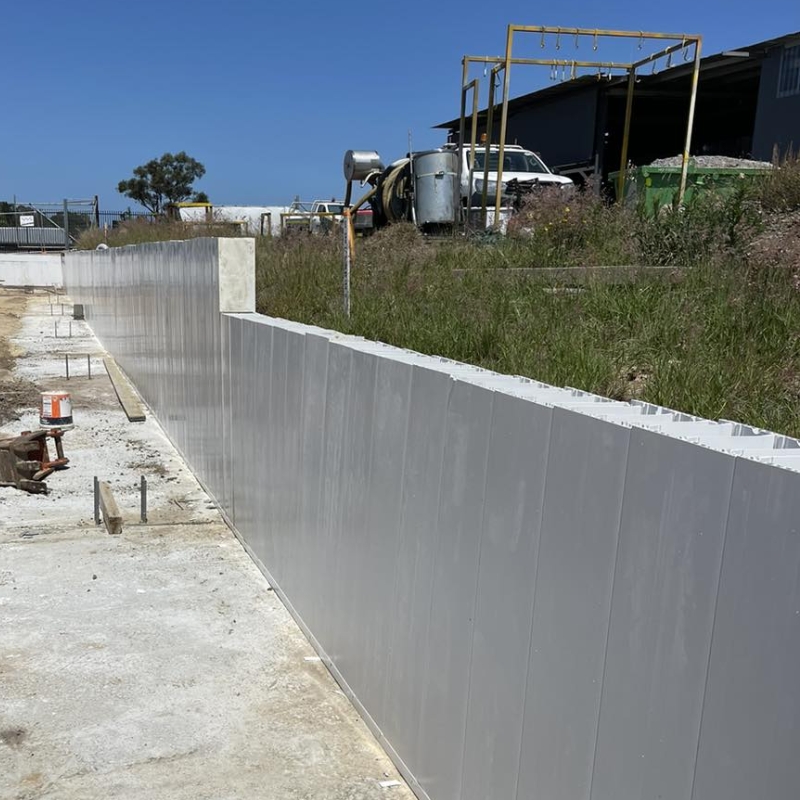




Smooth or textured formwork finishes significantly influence how long walls last under stress, weather, and load. Poor finishes allow moisture ingress, surface defects, and early wear, while high‑quality finishes resist these threats. The choice of materials, method of construction, and upkeep all matter when considering formwork finishes in real‑world conditions. Rise Products continues to shape durable wall solutions by refining how formwork finishes are used across Australia. This article explores how those finishes act over time, and how they shape wall durability through material choice, environmental exposure, and workmanship.
What problems occur when walls are used with poor‑quality finishes?
Walls with poor finishes suffer from cracks, spalling, staining, and structural weakening rather than maintaining their integrity under load or exposure. Here are the issues that commonly arise when finishes are substandard: Here are the issues that commonly arise when finishes are substandard:
- Rough shutter lines and surface irregularities allow water to pool and penetrate concrete surfaces, accelerating deterioration through freeze‑thaw cycles and corrosion of reinforcement.
- Inconsistent surface texture leads to uneven moisture absorption and leads to differential curing, causing cracking around joints and edges under thermal stress.
- Poorly finished edges trap dirt and allow organic growth, which holds moisture against concrete and speeds up chemical reactions that degrade the matrix.
- Defective finishes from using low‑grade shuttering board material (e.g., untreated softwood) promote warping, delamination, and loss of bond strength between formwork and concrete.
Concrete shuttering panels left untreated or damaged show much greater rates of damage, reducing lifespan well before design expectations.
Why do construction projects struggle with weak wall surfaces?
Projects struggle when formwork and finishing practices allow flaws that compromise surface integrity, longevity, and maintainability under heavy load or harsh conditions. Here are the factors that lead to weak wall surfaces: Here are the factors that lead to weak wall surfaces:
- If formwork removal is rushed or done before concrete reaches sufficient strength, surfaces peel or develop micro‑cracks that widen under cyclic loading or moisture exposure.
- Variations in the mix (excess water, insufficient cement paste) combined with rough formwork produce porous faces that degrade faster with weather or pollutants.
- In tropical or high‑humidity climates, poor finishing lets mould and algae grow on wall surfaces, leading to wet patches and long‑term chemical damage.
- Lack of protective release agents or inadequate treatment of formwork surfaces causes adhesion of concrete, tearing, or rough patches once formwork is stripped.
Many of these failures relate to gaps in planning, site control, or material selection—highlighting the need for understanding the biggest obstacles in modern construction.
Could formwork finishes reduce or extend a wall’s lifespan?
Formwork finishes can extend wall lifespan by reducing defect formation and improving resistance to environmental stresses, or reduce it if flaws accumulate early. Here are ways finishes impact wall life: Here are the ways finishes impact wall life:
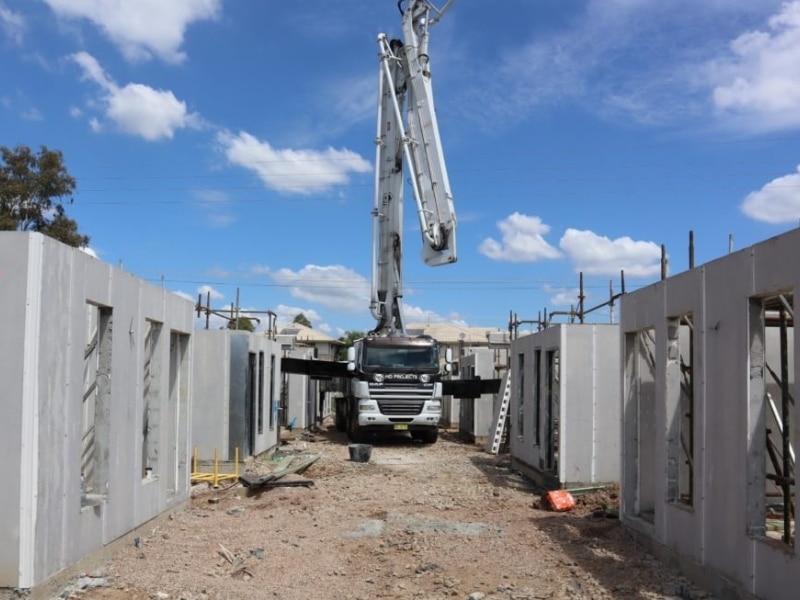
- Smooth, dense formwork surfaces reduce initial permeability, slowing down ingress of chlorides and moisture, which otherwise cause reinforcement corrosion.
- Properly lined or coated formwork reduces bonding issues, leading to cleaner removal and fewer surface repairs, which means less frequent maintenance.
- Rough or uneven finishes may develop concentrated stress points, which, during loading or climatic cycling, lead to crack initiation and propagation.
- Durable finishes resist mechanical damage during handling, formwork removal, and concrete placing, thus reducing spalls and delamination over time.
To achieve this kind of durability, builders often explore reliable wall formwork systems built for long‑term performance that reduce rework and protect structural integrity from the start.
Which wall formwork materials provide the best durability?
Timber, concrete, and PVC each offer unique strengths and limitations when used in wall formwork — but not all deliver equal durability under long-term exposure. Here are the comparative insights into each material’s performance: Here are the comparative insights into each material’s performance:
- Timber formwork, once the standard, tends to warp, absorb moisture, and degrade quickly, especially after multiple uses. While affordable upfront, it often leads to inconsistent finishes and greater maintenance over time.
- Precast concrete systems provide high strength and permanence but are heavy to handle, require specialised installation, and are less adaptable to complex layouts or site-specific needs.
- PVC and polymer formwork stand out for moisture resistance, smooth finishes, and ease of stripping. These systems are reusable and reduce surface defects, particularly in variable climates.
- Rise Walls, a PVC-based permanent formwork system, combines modern durability with design flexibility. These systems stay in place, enhance wall strength, and reduce future maintenance — ideal for long-term performance without traditional timber drawbacks.
Timber vs Concrete vs PVC Formwork — Durability Comparison
| Formwork Material | Durability Over Time | Moisture Resistance | Ease of Use | Finish Consistency |
| Timber | Low – degrades after a few uses | Poor – absorbs water | Easy to assemble, but weak after multiple cycles | Inconsistent |
| Concrete | High – long-lasting | Excellent | Heavy, requires equipment | Very consistent |
| PVC (Rise Walls) | Very high – stays in place | Excellent | Lightweight, easy to install | Smooth and uniform |
By moving away from older materials like timber and adopting permanent systems like Rise Walls, builders can reduce lifecycle costs and improve wall integrity over time.
Where do wall formwork systems differ in strength and performance?
Formwork systems differ in how they manage structural loads, adapt to climate conditions, and hold up over time. Here are the main contrasts between timber, concrete, and PVC systems: Here are the main contrasts between timber, concrete, and PVC systems:
- Timber systems are light and easy to assemble, but they deform under pressure, especially after repeated wetting and drying cycles. Their surface finish also degrades quickly over multiple uses.
- Concrete systems, particularly precast units, provide very high strength but lack flexibility. They can be slow to install and require precise planning to avoid misalignment.
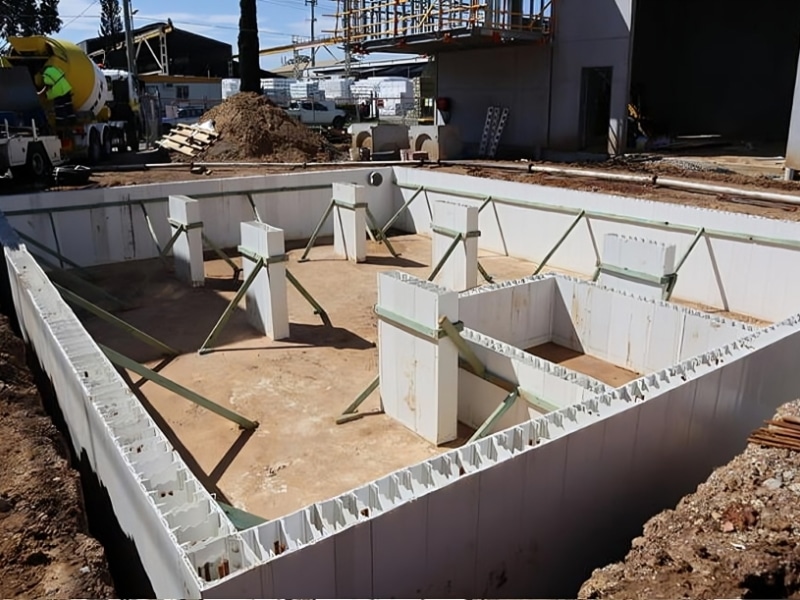
- PVC systems, especially permanent ones like Rise Walls, balance durability with low maintenance. They’re moisture-resistant and maintain consistent surface quality without needing to be stripped and reused.
While timber is common in older practices, it’s rarely suitable for high-performance builds. Both PVC and concrete offer greater strength, but PVC formwork adds adaptability and ease of use. Durability aside, there’s also a safety dimension worth noting—builders must stay aware by understanding hazards linked to concrete formwork systems to avoid preventable site issues.
Are modern formwork finishes changing traditional wall methods?
Yes, modern finishes are dramatically changing traditional wall construction by improving durability and reducing labour‑intensive processes. Here are the most significant changes: Here are the most significant changes:
- Traditional timber methods are being phased out due to maintenance costs and inconsistency in surface quality across uses.
- Precast concrete panels, though solid, are limited by design constraints and installation logistics, especially on tight or irregular sites.
- PVC-based systems like Rise Walls stay in place after pouring, reducing on-site labour, speeding up installation, and improving moisture resistance over time.
- Builders now focus on smoother, more uniform finishes with long-term performance benefits, moving away from materials that can’t withstand variable environments.
Construction methods are evolving to meet the demands of efficiency, consistency, and durability — and these finishes are leading that change.
Final thoughts on formwork finishes and material choices
Timber has had its time, but for modern, high-durability walls, PVC and concrete systems offer better performance. Among these, builders often find how Rise Products enhances efficiency in wall construction through Rise Walls — a PVC-based formwork that stays in place and adds real structural value. Walls built with resilient finishes and materials handle Australia’s climate better, last longer, and reduce the need for constant repairs. Choosing wisely means fewer surprises and more consistent outcomes on every project.