



Concrete wall technology has moved fast in the past decade, yet many sites still default to bulky, box-shaped PVC formwork that was designed when freight was cheap and skilled labour plentiful. If you’re weighing up whether to stick with a conventional PVC system or change to a lay-flat permanent formwork panel, understanding the real-world trade-offs matters more than ever.
From installation speed to freight efficiency, this side-by-side look at the two systems breaks down what happens on site, how the numbers affect the bottom line and why builders across Australia and the US are already shifting toward more advanced formwork systems for walls, basements and retaining structures.
1. What Makes a Formwork Panel “Lay-Flat” (and Why Does It Matter?)
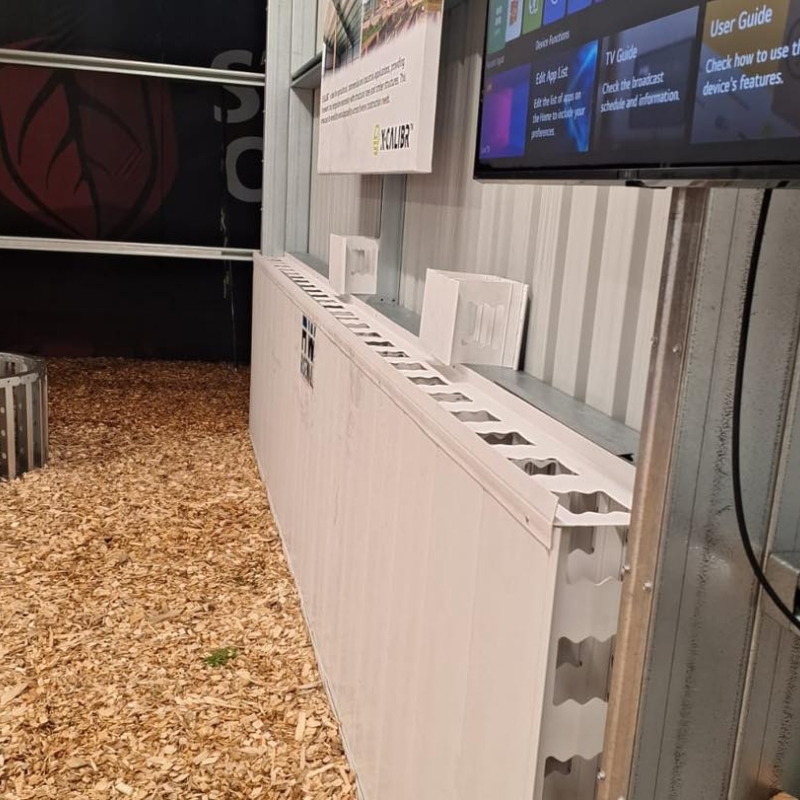
Traditional PVC formwork arrives on site as rigid, box-like sections that take up the same volume in a truck as they will on the wall. Lay-flat panels, by contrast, are engineered to fold or nest almost flat, allowing stacks of panels to travel and store in a fraction of the space.
Key operational differences
- Collapse-or-nest design reduces panel thickness during transport.
- Panels open out and lock in place just before installation—no complex clips needed.
- The stay-in-place structure becomes part of the wall, eliminating stripping.
In practice, that lay-flat geometry translates into up to 5× more wall area per truckload compared with rigid PVC formwork. On regional or high-rise projects where crane time and site lay-down space come at a premium, the logistics saving alone can lift margins.
2. Installation Speed: Where Minutes Turn Into Days
Labour shortages continue to bite across Australia, with the Housing Industry Association reporting that skilled concreters and formworkers remain in the top five hardest-to-find trades.^1
How the two systems compare
| Factor | Lay-Flat Permanent Formwork | Traditional PVC Formwork |
| Panel assembly | Pre-formed, opens flat; simple edge locks | Rigid boxes; alignment props often needed |
| Bracing required | Minimal (2× panel strength) | Higher, especially on multi-storey lifts |
| Sequencing | Single-pass install, reinforce, pour | Panel set-up ➔ brace ➔ pour ➔ strip in parts |
| Typical wall m² per crew per day | 70–100 m² | 20–35 m² |
| Documented install time saving | Up to 70 % faster | Baseline |
Because the panels stay in place after the pour, crews avoid the back-end task of stripping and cleaning. Multiply that across every lift and the cumulative gain often shaves weeks from mid-rise programmes, allowing earlier fit-out and hand-over.
Short on skilled hands? A two-person crew can erect lay-flat panels that would normally need four tradies with a rigid system.
3. Cost Drivers: Looking Beyond Panel Price
Project managers sometimes compare catalogue prices and assume the cheaper panel wins. Yet installed cost tells the true story. Lay-flat systems typically deliver up to 30 % lower installed cost by attacking five expenses at once:
- Labour – fewer crew hours, simpler skill set.
- Bracing & propping – stronger panel walls = fewer props bought or hired.
- Steel reinforcement – a straighter, stiffer form preserves cover, often trimming bar overlap requirements.
- Freight – 5× packing density directly cuts transport invoices.
- Waterproofing – highly water-resistant PVC skin reduces membrane scope by up to 70 %.
For a deeper dive into the dollars, see our related guide on how lay-flat formwork reduces installed costs on Australian builds.
Watch the sequencing savings
Every job has hidden “waiting for…” moments—waiting for props, waiting for crane windows, waiting for stripped panels to clear the deck. Removing stripping altogether turns those gaps into productive hours elsewhere on the schedule.
4. Freight & Storage: The Lay-Down Yard Reality
Rigid PVC boxes fill trucks fast. A typical semi hauling 60 m² of wall area in standard boxes could instead move 300 m² of lay-flat panels in the same trip. On remote Western Australian mine sites or tight CBD basements where every delivery slot matters, that reduction:
- Slashes transport carbon kilometres.
- Frees crane time otherwise spent unloading multiple deliveries.
- Clears site congestion, improving safety walkways.
Safe Work Australia notes that reducing manual handling distance and frequency is a primary way to lower musculoskeletal injury risk on construction sites.^2 Fewer, lighter lifts tick that box while saving money.
5. Structural Strength & Wall Finish Quality
Lay-flat panels incorporate internal ribs that create a stiffer composite once the concrete cures, yielding around double the in-service strength of blockwork and noticeably more rigidity during the pour than conventional PVC frames.
Benefits of the extra stiffness
- Fewer blow-outs: Panel faces stay true under hydrostatic pressure.
- Straighter walls: Less movement equals minimal post-pour grinding or patching.
- Reduced bracing: Crews spend less time installing and adjusting props each lift.
Traditional PVC boxes can achieve a tidy finish, but maintaining alignment over long runs often means extra ties and spot braces—extra minutes that stack up.
6. Waterproofing & Durability
Below-grade walls live a tough life. The outer PVC skin of both systems helps repel water, yet lay-flat panels have two advantages:
- Tighter inter-panel joints formed by the flat-to-folding action reduce micro-gaps.
- Greater panel stiffness resists deflection that can crack membranes later.
These features combine to cut the need for secondary waterproofing layers by up to 70 % on basements and retaining walls, leaving more budget for finishes or contingency.
7. Waste & Environmental Footprint
PVC waste rarely wins friends in sustainable procurement plans. Because lay-flat systems produce minimal off-cuts (panels are easier to cut precisely and use smaller trim pieces), sites report:
- Cleaner decks and lower skip-bin fees.
- Less plastic destined for landfill.
- Re-use of short lengths on service penetrations or returns.
Traditional rigid systems often see larger wedged-off scraps that cannot be repurposed easily.
8. Common Mistakes to Avoid When Switching Systems
Even an efficient product can disappoint if applied the wrong way. Avoid these traps:
- Ordering panels by wall length only – factor height, openings, and lift sequencing to keep stack layouts logical.
- Under-allocating crew for concrete placement – faster formwork means concrete may arrive sooner; ensure pump and finishers are scheduled ahead.
- Recycling blockwork reinforcement schedules – leaner bar cages can be possible; have an engineer review.
- Ignoring training materials – a 30-minute toolbox talk on lay-flat handling often saves hours of “figuring it out” on day one.
9. Decision Framework: Which System Fits Your Next Build?
| Project Scenario | Lay-Flat Permanent Formwork | Traditional PVC Formwork |
| Tight CBD site with limited crane windows | ✔ Freight & space efficiency | △ Deliveries congested |
| Remote regional job 300 km from depot | ✔ 5× more panels per truck | △ Higher transport cost |
| Owner-builder needing simple install steps | ✔ Less specialist labour | △ May require an experienced crew |
| One-off curved wall or complex geometry | △ Prefab flat panels need on-site trimming | ✔ Rigid boxes can be custom-fabricated |
| Extremely high-rise with heavy wind loads | ✔ Stronger, fewer braces | △ Extra bracing is often needed |
| Short basement wall under 1.2 m | △ Speed gain less dramatic | ✔ Traditional method acceptable |
Use the table as a first pass, then weigh local labour rates, programme pressures and freight distances.
10. Frequently Asked Questions
1. Does lay-flat formwork need special tools to open and lock?
No. Panels fold by hand and lock with integrated clips. Standard cordless drills handle any screw fixings for corners or bulkheads.
2. Can I mix lay-flat and traditional PVC panels on the same wall?
Technically possible, but alignment and joint strength can vary. Most builders choose one system per wall run to keep detailing straightforward.
3. How does the concrete finish compare between the two systems?
Both produce a smooth PVC-lined face. However, the extra stiffness of lay-flat panels means fewer minor “wave” patterns, reducing skim-coat touch-ups.
4. Are there code differences for stay-in-place PVC formwork?
Australian and US building codes treat permanent formwork as a lost-form composite wall. As long as structural design meets AS 3600 or ACI 318 and follow-on trades can fix to the surface, compliance is straightforward. Always check the local engineer’s sign-off.
5. What about fire performance?
Lay-flat and traditional PVC linings both require fire-rated finishes where exposure is possible. Speak with your fire engineer about FRL requirements; the PVC skin is generally protected by concrete cover.
Wrapping Up: The Case for Lay-Flat Efficiency
Traditional PVC formwork lifted productivity when it arrived decades ago, yet today’s budget, programme and freight realities demand more. By packing flat, installing up to 70 % faster, trimming installed costs by around 30 % and halving the need for bracing, lay-flat permanent formwork gives builders a simpler path to stronger, straighter, water-resistant walls.
If your next project faces tight timelines, regional freight distances, or skilled-labour gaps, running the numbers on a lay-flat solution is a smart early step. The pay-offs usually reveal themselves long before the first concrete pour—often on the very first delivery docket.