




Concrete formwork design plays a defining role in how strong and durable a structure becomes. The way formwork is designed and installed affects wall alignment, curing pressure, and the final integrity of the build. When executed correctly, it ensures that concrete sets evenly, minimises cracks, and delivers long-lasting stability. Poor design, however, can lead to misalignment and weak spots that compromise safety. This article explores how effective concrete formwork design impacts wall performance and why it’s essential for maintaining structural strength over time.
Why do construction projects struggle with consistent wall strength?
Projects often struggle with consistent wall strength because formwork is not uniform in setup or support. Uneven pressure and poor curing control lead to weak sections that reduce overall stability. Here are the main reasons projects experience inconsistent wall strength:
- Misaligned reinforcement bars disrupt even load distribution and weaken stress-bearing zones.
- Uneven temperature during curing causes irregular bonding and structural tension.
- Damaged or worn-out formwork panels distort wall geometry and reduce vertical accuracy.
- Fast-paced pouring schedules can lead to cold joints and reduced wall cohesion.
To achieve consistent wall strength, builders must coordinate design, materials, and timing. Reliable formwork ensures walls are set evenly and perform as intended under long-term loads.
What factors commonly weaken structural integrity in concrete buildings?
Structural integrity weakens when formwork systems are mismatched with the project’s needs. Even with high-grade concrete, improper design or handling can cause internal flaws and surface defects. Here are the main factors that reduce structural integrity:

- Thin formwork materials bend under hydrostatic pressure, creating voids and weak areas.
- Lack of vibration during pouring traps air bubbles, which lowers the density and strength.
- Early formwork removal can lead to cracking or loss of shape while the concrete is still green.
- Incorrect release agents affect adhesion and cause surface scaling.
Attention to every step of concrete formwork design helps builders prevent these issues and achieve reliable, durable outcomes from the start.
Can poor concrete formwork design lead to long-term structural issues?
Poorly planned formwork can absolutely cause long-term problems, even when a structure looks sound at first. Over time, small imperfections magnify and compromise the safety and longevity of the build. Here are the long-term issues caused by weak formwork design:
- Cracking and spalling occur when pressures aren’t evenly balanced across the panels.
- Water infiltration and corrosion develop through misaligned seams and poor sealing.
- Wall deflection or bowing emerges from insufficient bracing or support.
- Reduced design life results from inconsistent curing or trapped voids.
Managing formwork quality early in construction not only improves immediate outcomes but also preserves the structure’s integrity for years to come.
In what ways does concrete formwork design enhance material strength?
Concrete formwork design enhances strength by guiding how loads, pressure, and curing interact during construction. A properly designed system maximises material efficiency and ensures a solid, uniform structure. Here are the main ways design strengthens concrete:
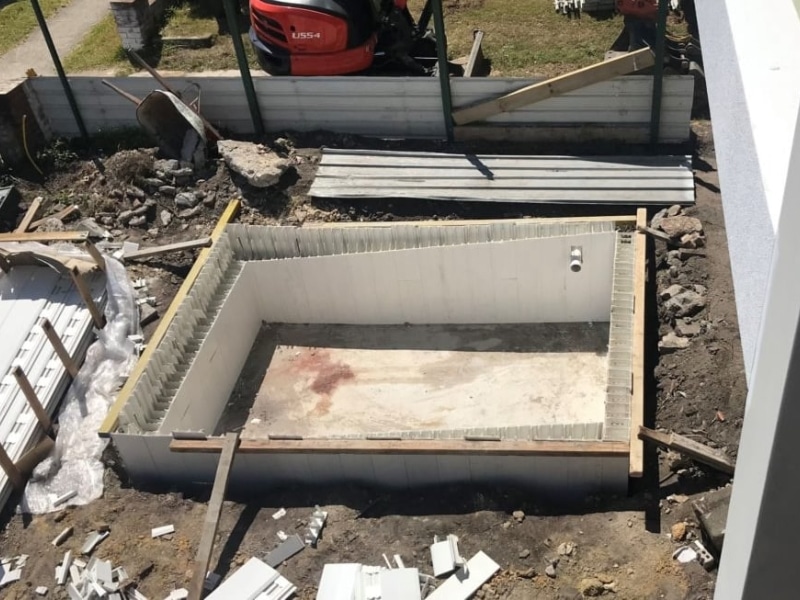
- Accurate geometry maintains uniform wall thickness and load distribution.
- Optimised reinforcement positioning keeps stresses balanced throughout the structure.
- Pressure control systems prevent cracking and maintain consistent curing rates.
- Efficient material usage reduces waste while improving density and strength.
Good design makes walls more reliable and reduces repair costs. Builders aiming for lasting quality can find high-quality formwork solutions for durable structures that deliver both precision and endurance.
How do different types of concrete formwork design affect wall performance?
The type of concrete formwork design used greatly influences how walls perform in strength, shape, and overall durability. Each system affects how concrete sets, supports loads, and handles environmental stress. Advanced systems such as Rise Wall demonstrate how precision engineering can achieve reliable results while improving build speed and wall alignment. Here are the main types of formwork design and how they influence wall performance:
- Traditional timber formwork is flexible and adaptable but prone to warping and wear over time.
- Steel formwork offers outstanding accuracy and strength, though it’s heavier and more suited to large-scale projects.
- Aluminium formwork systems combine light weight with speed, making them perfect for repetitive and mid-scale builds.
- Engineered plastic or composite formwork supports sustainability through reusability and reduced onsite waste.
- Rise Wall systems integrate prefabricated panels with engineered tie mechanisms, enhancing speed, precision, and long-term durability.
When selecting a system, project scale, environmental factors, and precision goals matter most. Builders must also follow construction safety compliance for formwork operations to ensure site safety and structural reliability throughout every stage.
| Formwork Type | Durability | Installation Speed | Maintenance | Ideal Project Use |
| Timber | Moderate | Slow | High | Small residential builds |
| Steel | Excellent | Medium | Low | Large commercial walls |
| Aluminium | High | Fast | Moderate | Mid-scale developments |
| Plastic/Composite | Good | Fast | Low | Eco-conscious projects |
| Rise Wall | Exceptional | Very Fast | Low | High-precision, large-scale and long-term durable structures |
This comparison shows how each system performs in real-world conditions. Rise Wall stands out for combining speed, precision, and dependability — all vital for modern, high-quality construction.
What makes rise wall systems stand out in concrete formwork design?
Rise Wall systems stand out for their balance of strength, speed, and reusability. Their engineered panels allow consistent alignment and high-quality finishes across large projects. Here are the defining advantages of Rise Wall systems:
- Prefabricated modular panels streamline installation while maintaining geometric accuracy.
- Integrated tie and bracing systems manage pressure efficiently and prevent deformation.
- Reusable materials promote sustainability without sacrificing strength.
- Simplified assembly reduces labour effort and shortens build time.
Rise Wall’s consistency, precision, and ease of use make it a reliable option for builders who value both performance and long-term durability.
Final thoughts on improving structural strength through formwork
Strong, dependable walls begin with a smart design approach. Every decision — from choosing materials to managing curing pressure — influences the strength and safety of the final build. High-quality formwork not only saves time but also creates lasting stability for years to come. To learn more about achieving that balance between strength and innovation, you can explore how Rise Products delivers smarter and stronger wall systems designed for modern Australian construction.