



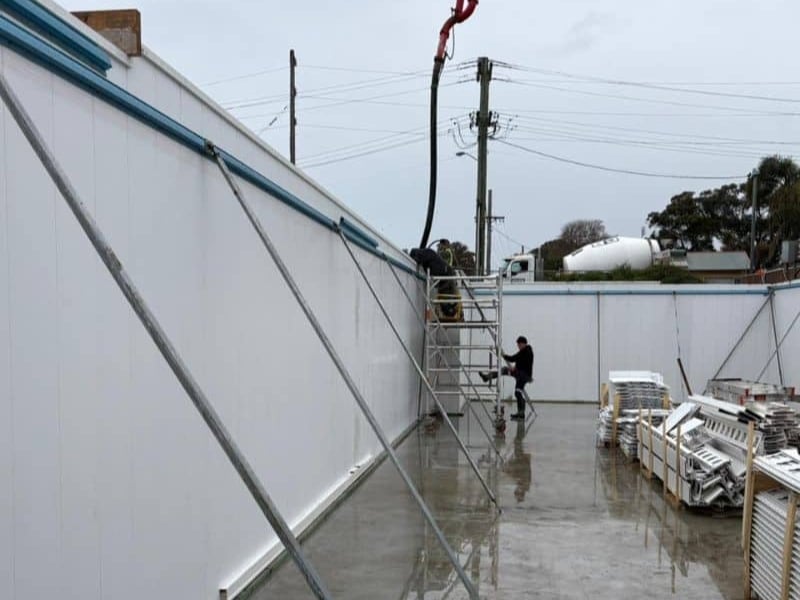
Concrete strength depends heavily on how well formwork for slabs supports, shapes, and protects the wet concrete before it cures. Without precise formwork, concrete slabs suffer from uneven curing, poor surface finish, weak reinforcement cover, or water intrusion—all of which reduce structural performance. Quality formwork ensures concrete develops full compressive strength, avoids defects, and lasts longer even under challenging conditions. This article explains the mechanisms by which formwork for slabs enhances concrete strength and outlines the features and practices that make the most significant difference.
Why is formwork for slabs essential for long‑lasting durability?
Durable slabs are those where formwork stays accurate, water‑tight, and stable from the moment of pour through curing. If formwork distorts, leaks, or fails, durability is compromised via cracks, weak cover, or reinforcement corrosion. Here are the relevant items that directly support long‑lasting durability:
- Double‑skin panel design: Maintains rigidity under pressure, preventing bulges and concrete misalignment. This ensures the slab’s shape and cover remain intact during curing, reducing weak points.
- Water‑resistant materials (like PVC composites): Prevent material breakdown when exposed to wet conditions, unlike timber or untreated boards that can swell, rot, or lose shape. This durability is critical in long-term structural environments such as basements or tanks.
- Tight tolerances and accurate steel placement: Ensures that reinforcement maintains consistent cover, preventing corrosion over time. This directly protects the slab’s structural integrity under stress.
- Lay‑flat folding panel design: Simplifies storage and preserves the integrity of each panel before use, preventing distortions or damage that could compromise installation accuracy.
- Minimal on-site adjustment required: Reduces the chance of errors or variability that could lead to water ingress or inconsistent concrete quality.
A durable concrete slab must not only reach design load but also maintain strength over time. When formwork delivers these features reliably, the slab resists cracking, moisture damage, and degradation—ensuring the structure remains safe and serviceable for decades.
How does formwork for slabs reduce construction time?
Good formwork systems simplify assembly, cut down the time waiting on curing weak spots, and reduce rework, all of which speed project timelines. Here are the relevant items that show how time is saved:
- Faster installation via engineered panels: Modular formwork systems fit together quickly with minimal adjustment. Workers can install larger sections faster, leading to substantial savings in labour time.
- Lay‑flat storage and transport design: Speeds up logistics and unloading, allowing installers to begin formwork assembly more quickly with less risk of material damage.
- Reduced waterproofing steps: Water‑resistant formwork systems often eliminate the need for multiple layers of sealants or membranes, which can be time-consuming and weather-dependent.
- Fewer remedial works: High-precision formwork creates better finishes, reducing time spent grinding, patching, or correcting defects after stripping.
- Standard sizing across formwork components: Enables quick planning and fewer site changes, particularly on multi-level projects.
One proven strategy is to explore innovative slab formwork methods for construction that reduce site labour, waiting time, and finishing corrections. These speed improvements lead to faster handovers and more cost‑effective project outcomes.
What role does water‑resistant formwork for slabs play in structural performance?
Water‑resistant formwork helps preserve strength by controlling moisture, protecting reinforcement, reducing leakage, and maintaining consistent curing conditions. Here are the relevant items showing how structural performance benefits:
- Controls water ingress during curing: Prevents external water from weakening the slab surface or creating porous zones that compromise load-bearing capacity.
- Manages internal moisture: Keeps essential moisture within the concrete during early curing stages, avoiding early shrinkage or surface cracking.
- Protects concrete cover: Ensures reinforcement remains embedded and protected, reducing the risk of corrosion, which weakens structural performance over time.
- Withstands pressure without warping: Maintains slab alignment under pressure, avoiding form blowouts or slab deformation.
- Stabilises curing temperature: Water-resistant materials can also moderate the impact of external environmental fluctuations.
One solution is using trusted solutions for concrete slab formwork methods that are designed to withstand moisture intrusion, pressure, and long cure durations. This results in slabs that retain full design strength, remain resilient in harsh conditions, and require less post‑construction maintenance.
Can smart design in formwork for slabs improve project efficiency?
Smart design in formwork (materials, geometry, integration, etc.) boosts efficiency by reducing waste, improving handling, simplifying labour, and enabling reuse. Here are the relevant items highlighting design features that increase efficiency:
- Lay‑flat folding panels: Reduce space needed for transport and storage, making logistics easier and cheaper while protecting panel shape.
- Double‑skin construction: Strengthens panels so they resist deformation under pressure without requiring excessive support or scaffolding.
- Standardised panel dimensions: Reduce the need for bespoke fabrication on-site, accelerating workflow and ensuring consistency.
- Reinforcement cradles included: Provide pre-set locations for rebar placement, ensuring compliance with structural codes and saving time during steel fixing.
- Compatible with multiple slab designs: Modern systems often allow for horizontal and vertical integration across different parts of a project.
To push timelines even further, discover advanced formwork systems speeding up projects that make use of precision-engineered modular formwork elements. Efficient formwork design not only saves time but cuts costs and reduces risks from errors or delays.
How does formwork for slabs contribute to safer worksites?
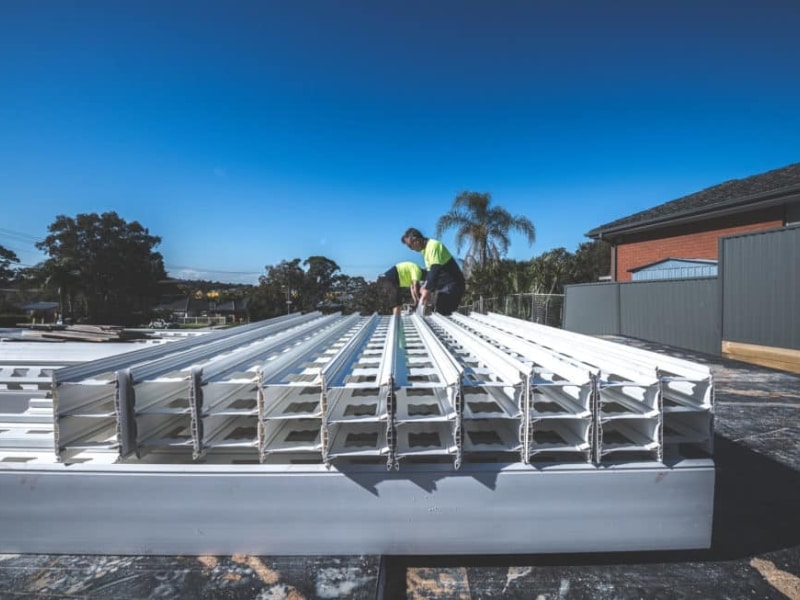
Proper formwork reduces hazards, improves handling safety, ensures load stability, and minimises risks connected with moisture and collapse. Here are the relevant items that improve safety:
- Lightweight components: Reduce manual handling injuries, fatigue, and strain, especially when used over multiple slab levels.
- Stable structure under load: High-quality formwork holds steady during pour and cure, preventing blowouts or sudden collapses that could endanger workers.
- Dry, sealed panels: Prevent slip hazards by keeping the site cleaner and drier during pours, especially around edges or access paths.
- Modular panels: Allow for faster, safer installation, reducing time spent on temporary scaffolds or high-risk positions.
- Integrated systems reduce clutter: Fewer braces and props lower the chance of tripping hazards or impalement risks on site.
Equally important is compliance. For that, you need to understand key compliance laws for concrete building projects, which outline the structural and safety requirements for formwork systems in slab construction. Safe formwork not only protects workers but supports reliable, defect‑free slab performance.
Why is cost‑efficiency an advantage of modern formwork solutions?
Although modern water‑resistant and engineered formwork systems often cost more upfront, they produce savings via reuse, lower labour, reduced material waste, lower maintenance, and fewer failures. Here are the relevant items that drive cost‑efficiency:
- Durability over multiple pours: Engineered panels last longer than timber or plywood, which degrades quickly. Reuse spreads the cost over many jobs.
- Less waterproofing required: Built-in resistance saves both material and labour costs. On large projects, this difference can be substantial.
- Fewer concrete defects: Minimises the cost of patching, grinding, sealing, or worse—re-pouring failed slabs.
- Transport savings: Lighter and foldable designs require fewer trucks and reduce shipping costs.
- Waste reduction: Smaller offcuts and reusable scraps mean lower disposal fees and less time spent on clean-up.
- Labour efficiencies: Fewer workers required per m² poured, reducing wage costs and insurance exposure.
Modern formwork solutions achieve greater return on investment when the full lifecycle costs are considered rather than just initial outlay. The higher initial cost is offset by lower ongoing expenses and improved reliability.
Choosing innovative slab formwork systems
When selecting formwork for slabs, prioritise systems that combine strength, water resistance, and accurate rebar support. Choose components designed for reliability in varied conditions, from basement slabs to tanks, roof decks to foundations. Even small decisions—panel shape, storage style, resistance ratings—can change performance outcomes. For customised advice and product compatibility, ask Rise Products about smarter approaches to concrete building.