



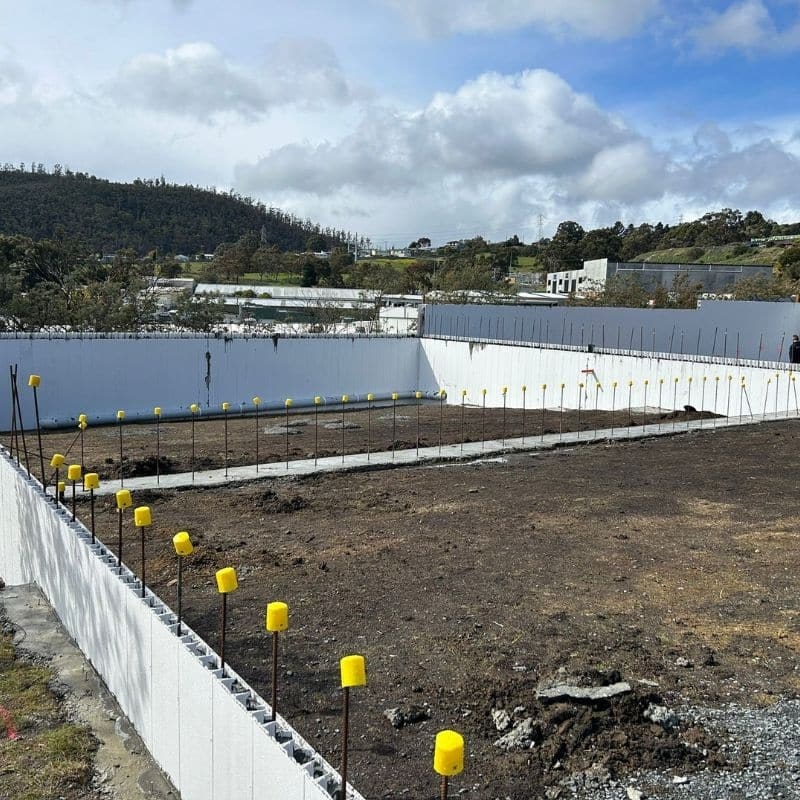
Retaining walls do a simple job with high stakes: they hold back soil. When they’re working properly, you barely notice them. When they start to fail, the warning signs can look subtle at first — a hairline crack, a new lean, a bit of muddy water after rain. Left alone, those small clues can turn into real property damage (and safety risks) surprisingly fast.
This guide is written for Australian homeowners who want to spot trouble early and understand what those signs usually mean. It’s not about selling a service or telling you to “just replace it”. It’s about helping you make smarter decisions: what to watch, what to fix now, what to stop doing, and when it’s time to get proper engineering advice.
Why retaining walls fail in the first place
Most retaining wall failures aren’t caused by one dramatic event. They’re usually the result of a few common forces building up over time:
• Water pressure behind the wall (hydrostatic pressure) from poor drainage, blocked weep holes, or saturated backfill
• Soil movement, especially in reactive clay areas or after long wet periods followed by drying
• Extra loads added after the wall was built (driveways, sheds, pools, retaining more height than intended, or piling soil higher)
• Ageing materials (timber sleepers rotting, steel fixings corroding, concrete spalling, blockwork cracking)
• Construction details that weren’t right from day one (insufficient footing, inadequate reinforcement, wrong backfill, missing drainage)
The key takeaway is this: you can’t “eyeball” what’s happening behind the wall. The visible symptoms are your early warning system.
The homeowner’s safety filter: monitor, act, or treat as urgent
Before we get into the signs, use this simple filter to decide how seriously to take what you’re seeing.
Monitor (keep an eye on it)
• Very fine surface cracking with no change over months
• Minor cosmetic staining with no damp soil or seepage
• Slight settling of garden soil behind the wall (not growing, not creating voids)
Act soon (book assessment/plan repairs)
• New cracking that grows, widens, or repeats in a pattern
• Any noticeable lean, bulge, or bow
• Water pushing through, persistent dampness, or blocked weep holes
• Gaps forming at the top or ends of the wall
• Soil subsidence or sinkholes behind the wall
• Fence movement, pavers lifting, or steps shifting near the wall
Urgent (reduce risk immediately)
• Rapid movement after heavy rain
• A wall that’s visibly out of plumb, bulging significantly, or making cracking noises
• Sudden collapse of part of the wall, or soil slipping out
• The wall supports a driveway, pool zone, or boundary area where failure could injure someone or damage neighbouring property
If you’re in the urgent category, treat it like a site hazard. Keep people away from the area, don’t add loads, and seek professional advice quickly.
Retaining wall failure signs you can spot early
1) Leaning or “out-of-plumb” appearance
A retaining wall should look straight and stable. A mild batter (designed lean back into the retained soil) is normal for some wall types — but a new lean, or a lean that changes, is a red flag.
What it usually means:
• The wall is rotating forward due to pressure behind it (often water-related)
• The footing may be undermined or inadequate
• Soil behind the wall is shifting and pushing unevenly
What to do now:
• Take a clear photo from the same spot each week
• Use a straight edge, level, or plumb line to measure movement
• Check for drainage issues and wet zones behind/above the wall
• Avoid placing heavy items near the top of the wall (pots, sleepers, stockpiles)
Q&A: Is a leaning retaining wall dangerous?
A small lean that hasn’t changed for years can be stable, but a new lean or a lean that’s increasing is a serious warning sign. Movement often accelerates after heavy rain because saturated soil becomes heavier and water pressure rises. If the wall supports access areas (paths, driveways, stairs), treat it as a higher risk.
2) Bulging or bowing in the middle
Bulging is different from leaning. A wall can look upright overall but bulge outward in sections. This usually shows up mid-span (the middle), where pressure is greatest.
What it usually means:
• Too much lateral load from retained soil and water
• Missing or failed reinforcement/tie-back elements (depending on wall type)
• Degraded materials (rotted timber, rusting steel posts, cracked masonry)
• Poor backfill or no free-draining aggregate zone behind the wall
What to do now:
• Mark the bulge with chalk and measure it (even a few millimetres change matters)
• Look for water staining or persistent dampness — bulging and drainage issues often go together
• Avoid excavating at the base (you can worsen instability)
3) Cracks: which ones matter most
Cracks are common, but the pattern and behaviour matter more than the fact they exist.
More concerning crack patterns:
• Horizontal cracks, especially in concrete or masonry walls
• Stair-step cracking in blockwork (often indicates movement along mortar joints)
• Cracks that widen over time or reappear after patching
• Cracks paired with bulging, leaning, or soil subsidence
Less concerning (often cosmetic, but still monitor):
• Very fine surface crazing on concrete finishes
• Hairline shrinkage cracks that don’t change over time
What cracks can tell you:
• Horizontal cracking can indicate bending stress from pressure behind the wall
• Vertical cracking can indicate settlement, shrinkage, or localised stress points
• Stair-step cracking can indicate differential movement or inadequate reinforcement
What to do now:
• Photograph with a ruler for scale
• Track whether it changes after rain or hot dry spells
• Note whether nearby paving or fences are moving too
Q&A: What crack width is “bad”?
There isn’t one universal number because materials and wall types vary. The practical rule is: if the crack is new, growing, repeating in a pattern, or paired with movement (lean/bulge), it needs assessment. A stable hairline crack that hasn’t changed can be monitored.
4) Water seepage, damp patches, and staining
Water is one of the biggest drivers of retaining wall failure. If water can’t drain properly, pressure builds behind the wall.
Signs to look for:
• Damp patches that don’t dry out
• Water actively seeping through joints
• Rust stains from steel elements
• Muddy water marks after rain
• Algae growth on the wall face in shaded areas
What it usually means:
• Blocked or missing weep holes
• No subsoil drainage (agg drain) or a failed/agged-up drain line
• Poor backfill (soil packed tight against the wall instead of free-draining aggregate)
• Surface water sources feeding the backfill (downpipes, driveway runoff, garden over-watering)
What to do now:
• Check where roof water goes — downpipes should discharge to proper stormwater management, not behind a wall
• Check that garden beds aren’t trapping water against the wall
• If weep holes exist, look for blockage (don’t force tools deep into the wall; you can damage components)
5) Efflorescence: that white, chalky residue
Efflorescence is the white crystalline powder you sometimes see on masonry or concrete. On its own, it isn’t always a structural problem — but it can be a sign that water is moving through the wall.
What it usually means:
• Moisture is migrating through the material and carrying salts to the surface
• Drainage may be inadequate, or water is getting in from above
What to do now:
• Treat it as a prompt to investigate water management rather than just cleaning it off
• Look for other water-related signs (damp patches, staining, soft ground behind the wall)
6) Gaps forming at the top of the wall or between wall sections
If the top of the wall is pulling away from soil, or there are gaps where sections meet, the wall may be moving or the retained soil may be settling.
What it usually means:
• Backfill settlement creating voids
• Wall rotation forward
• Localised failure of posts/footing segments
• Poor compaction or water washing fines out of the backfill
What to do now:
• Do not simply “top up” soil and forget it — adding soil can increase load and hide the problem
• Check if water is entering from above (poor surface grading, garden irrigation, downpipes)
Q&A: Can I just backfill the gap behind a retaining wall?
You can temporarily tidy small settled areas, but if the gap is new, growing, or paired with movement, refilling it can add load and mask the warning sign. The safer approach is to identify why the void formed and whether water is involved.
7) Soil subsidence or sinkholes behind the wall
This is one of the clearest warning signs because it indicates something is happening behind the wall — often washout or settling.
What it usually means:
• Water is flowing through and washing fine soil particles away
• A subsoil drain has failed or is discharging into the retained area
• Poorly compacted backfill is settling over time
• In severe cases, the wall is losing support behind it
What to do now:
• Treat this as “act soon” at minimum
• After rain, check whether water is pooling or disappearing into the ground unusually fast
• Keep loads away from the top edge until assessed
8) Fence, paving, or steps moving near the wall
Retaining wall problems often show up first in adjacent structures because they respond to subtle ground movement.
Signs to look for:
• Fence posts tilting or twisting
• Pavers lifting, spreading, or creating trip edges
• Steps cracking or pulling away
• New gaps between paths and garden edging
What it usually means:
• The retained soil mass is moving
• Drainage is saturating the area and reducing soil strength
• Settlement is occurring behind the wall
What to do now:
• Don’t assume the fence is the problem — the ground movement may be the real driver
• Check the wall for corresponding lean, bulge, or cracks
9) Timber sleepers that look “soft”, split, or termite-affected
If you have a sleeper retaining wall, deterioration can be structural, not cosmetic.
Signs to look for:
• Soft timber when pressed with a screwdriver (especially near ground contact)
• Splits that widen, sleepers bowing outward
• Rusting bolts/straps
• Termite trails or hollow-sounding sections
What it usually means:
• Rot or termite damage has reduced the capacity
• Fixings may be failing, allowing the face to move
• Drainage may be accelerating timber breakdown
What to do now:
• Consider the wall’s age and exposure (constant moisture speeds up decay)
• Avoid covering the base with soil or mulch that holds moisture against the timber
• Get an assessment if movement is visible
10) Concrete spalling, exposed steel, or “concrete cancer” symptoms
For concrete and reinforced systems, spalling (chunks breaking off) can indicate corrosion of steel reinforcement.
Signs to look for:
• Rust stains, cracking along a line, and concrete flaking off
• Exposed rebar or mesh
• Sections sounding hollow when tapped (not always definitive, but a clue)
What it usually means:
• Water ingress has reached reinforcement
• Corrosion expands and cracks the surrounding concrete
• Strength can reduce over time if left untreated
What to do now:
• Treat exposed steel as “act soon”
• Keep water away where possible and address drainage sources
• Seek advice on repair methods suitable for the wall type
The “after heavy rain” retaining wall checklist (10 minutes)
After a major downpour (or a few days of steady rain), do this quick check:
• Walk the length of the wall and look for new leaning, bulging, or fresh cracks
• Check for muddy water stains or seepage lines
• Look for soggy ground or pooling water behind/above the wall
• Check downpipes and surface runoff paths — is water being directed toward the retained area?
• Look for fresh soil slumping, sinkholes, or washout near the top edge
• Check fences, paving, and steps for new movement
If anything is new or worsening, take photos and note the date and weather conditions. This record is extremely helpful if you later need an engineer or builder to assess what’s happening.
Common DIY mistakes that can make failure more likely
Even well-intentioned DIY changes can increase wall pressure or hide warning signs.
• Adding soil to “level out” the yard behind the wall (increases retained height and load)
• Storing heavy items near the top edge (pavers, sleepers, pot plants, building materials)
• Diverting downpipes or driveway runoff toward the retained area
• Over-watering garden beds that sit right behind the wall
• Blocking weep holes with landscaping fabric, soil, or paint
• Digging at the base or toe of the wall to “neaten it up” (can undermine support)
If you’re considering upgrades, it’s worth understanding how loads and drainage interact with your wall type. A useful next step is to read through retaining wall system options so you can compare how different wall systems handle water management, reinforcement, and site constraints.
When approvals and engineering may come into play (Australia)
Rules vary by council and state, and the trigger isn’t always just height — it can also be location (near boundaries), loads (driveways), or risk to neighbouring property. If you’re dealing with movement, drainage failure, or a wall that supports important structures, it’s smart to treat compliance as part of the solution.
For broader context on how retaining and earth-retaining structures fit into Australian building guidance, you can refer to the National Construction Code guidance for earth-retaining structures.
Special case: sloping blocks and “tiered” yards
Sloping blocks are common across Australia, and they create unique retaining risks because water and soil loads can concentrate in ways that flatter sites don’t experience.
If your property uses multiple walls (tiered retaining), pay attention to:
• Whether water from the upper level drains toward the lower wall
• Whether garden beds sit right behind a wall with no free-draining layer
• Whether paths, steps, or driveways add surcharge loads near the top edge
• Whether you see recurring damp zones halfway down a slope
If you’re troubleshooting movement on a slope, it helps to think about the whole water pathway — not just the one wall that’s showing symptoms. For homeowners wanting to understand how slope conditions change the design and risk profile, this overview on retaining wall solutions for sloping blocks is a good educational reference point.
Q&A: Why do retaining walls fail more often after rain?
Rain increases the weight of the retained soil and can trap water behind the wall. If drainage is limited, pressure rises quickly. Many walls that “seemed fine” in dry weather reveal weak points during prolonged wet periods because water exposes drainage and foundation issues.
What “early action” usually looks like (without jumping straight to replacement)
Early action doesn’t mean you have to rebuild tomorrow. It means you reduce risk and stop the problem accelerating.
Common early actions (depending on wall type and cause) can include:
• Identifying and correcting surface water sources feeding the wall
• Restoring drainage pathways (where feasible and appropriate)
• Reducing loads near the top edge
• Monitoring movement with simple measurements and photos
• Arranging a professional inspection for structural assessment
The exact fix depends heavily on the wall system and site conditions. If you want to make sense of why certain materials behave differently under water pressure and soil movement, this resource on retaining wall materials and build choices can help you understand the trade-offs without turning it into a sales conversation.
Final FAQ: retaining wall warning signs
How do I know if my retaining wall is failing?
Look for changes: a new lean, a bulge, growing cracks, soil sinking behind the wall, persistent dampness, or movement in nearby fences/paving. Single cosmetic marks can be harmless, but patterns and change over time are the real warning signs.
What’s the most common cause of retaining wall failure?
In many cases, it’s water — either trapped behind the wall or directed there from downpipes, paving, or garden beds. Water increases pressure and weakens soil, which can trigger movement.
Are cracks always a problem?
No. Some cracks are cosmetic. The concerning ones are horizontal cracks, repeating crack patterns, cracks that widen, or cracks paired with bulging/leaning and soil movement.
Can I fix a leaning retaining wall myself?
A small, stable lean might be monitored, but if the lean is new or increasing, DIY fixes can be risky because the underlying cause may be drainage, footing issues, or soil movement. Getting the cause diagnosed is more important than trying to “push it back”.
What should I do after heavy rain?
Do a quick inspection: check for new movement, damp patches, seepage, sinkholes behind the wall, and changes to nearby fences or paving. Take dated photos for comparison.
When should I get an engineer involved?
If the wall is moving, bulging, cracking significantly, supporting a driveway/pool area, near a boundary where failure could affect others, or showing rapid change after rain, an engineer’s assessment is a sensible next step.