




CMU block types are crucial components in modern construction, influencing durability, thermal performance, and overall cost-effectiveness of a build. Builders must weigh these elements carefully when selecting from a range of concrete masonry units. Each type serves a specific purpose—from structural support to insulation and aesthetic appeal. Without the right choice, a project can face increased maintenance costs and decreased energy efficiency. Understanding the various CMU block types enables builders to make informed, long-lasting decisions. This article examines the key CMU options and their practical application across different construction projects.
What challenges do builders face when choosing concrete wall materials?
Choosing the right concrete wall materials can be more complex than it first appears due to factors such as climate, cost, and the type of structure. These variables play a significant role in determining the long-term suitability of a particular material. Here are the common challenges faced when selecting concrete wall materials:
- Environmental demands, such as high humidity or extreme cold, affect material lifespan and performance over time.
- Selecting between poured concrete, precast panels, and CMUs can often confuse builders, especially when considering speed and cost.
- Thermal insulation values vary widely among materials, making it easy to choose one with poor energy efficiency.
- There’s a common belief that cheaper blocks mean lower quality, but that’s not always the case when chosen for the proper function.
Innovative systems, such as Rise Wall, aim to reduce this complexity by offering engineered concrete wall solutions that are optimised for both performance and compliance.
Why does choosing the wrong CMU block type impact project durability?
The type of CMU block used directly influences the structural integrity and resistance to moisture, thermal loss, and movement. A mismatch in type can lead to performance failures and expensive fixes. Here are the key risks of using unsuitable CMU block types:
- Low-density blocks can absorb moisture, which can lead to cracking or internal damage over time.
- Incorrect selection can lead to thermal bridging, resulting in increased heating and cooling costs.
- Builders sometimes overlook load requirements, leading to insufficient reinforcement or support.
- Some assume that all CMUs are interchangeable, which can result in compatibility issues with reinforcement or finishes.
Making the right material decision starts with understanding CMU block types and their functions, as each plays a distinct role depending on project scope and environmental demands.
How can poor CMU block selection increase long-term construction costs?
Using the wrong CMU block may not seem like a significant issue at first. Still, it can lead to ballooning project expenses over the building’s lifetime through repairs, inefficiency, and rework. Here are the significant cost implications of poor CMU block selection:
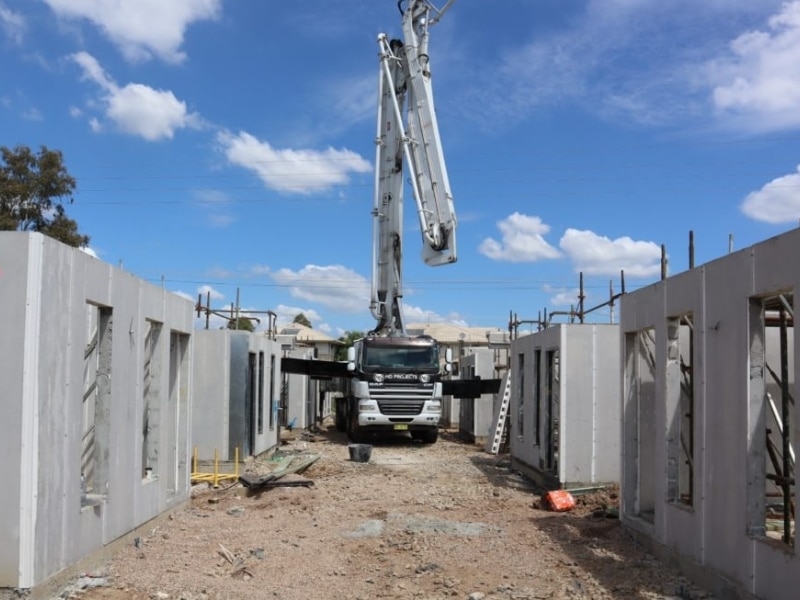
- Maintenance costs soar when inappropriate blocks lead to leaks or cracks, especially in load-bearing walls.
- Energy inefficiency becomes a hidden expense, often stemming from poor thermal mass or inadequate insulation due to the wrong choice of CMU.
- Contractor delays and material reorders can occur, driving up labour costs when incorrect CMUs are delivered.
- Inconsistent dimensions or finishes can necessitate additional on-site modifications, resulting in increased time on the job and higher overall costs.
Selecting the right blocks early on not only safeguards the budget but also prevents expensive mid-project surprises.
What are the main types of CMU blocks used in modern construction?
Modern construction employs a variety of CMU block types tailored to specific load, insulation, and aesthetic requirements. Each type contributes uniquely to the wall system. Here are the most commonly used CMU blocks:
- Hollow blocks are lightweight and ideal for internal walls, offering ease of handling and installation.
- Solid CMUs offer strength and stability, particularly in areas with seismic activity or heavy load-bearing requirements.
- Stretcher blocks are used in the main wall run, with an interlocking design that aids in alignment.
- Specialty blocks, such as lintel, corner, and pilaster types, are engineered for either structural or decorative purposes.
Below is a comparison table of common CMU block types:
| CMU Type | Density | Use Case | Key Feature |
| Hollow block | Lightweight | Interior/partition walls | Insulation and cost efficiency |
| Solid block | Heavy | Load-bearing walls | High strength and durability |
| Lintel block | Medium | Above doors/windows | Supports openings |
| Architectural | Varies | Façade walls | Aesthetic appeal |
Systems like Rise Wall can incorporate these CMU types into predesigned assemblies, streamlining construction workflows and compliance.
How do specialty CMU blocks improve insulation and aesthetics?
Specialty CMU blocks, such as those with architectural finishes and insulated options, not only support structures but also enhance both visual appeal and thermal comfort. These variants have gained popularity in civic and commercial builds. Here are the benefits of using specialty CMU blocks:
- Split-face CMUs offer textured surfaces that boost visual interest on large-scale walls.
- Burnished and ground face blocks provide a polished look, ideal for schools, libraries, or public centres.
- Insulated CMUs feature foam inserts, which significantly enhance R-values for improved energy performance.
- Veneer units are decorative and applied to outer façades, combining form with function.
Rise Wall-compatible blocks can include these specialty types, making it easier to meet both energy codes and design briefs without excessive customisation.
What role do load-bearing materials play in CMU construction?
Load-bearing materials determine the structural capabilities of a wall system. CMU blocks must be compatible with reinforcement and properly grouted to meet load demands. Here are the critical roles played by load-bearing materials:

- Heavier-density CMUs provide the necessary strength for multi-level or industrial structures.
- Steel reinforcement bars placed inside block cores add vertical and horizontal support.
- Grout fills improve block adhesion and stability, helping to resist shear and pressure forces.
- Load-bearing CMUs are selected based on regional codes, ensuring safety during seismic or wind loads.
In-depth knowledge of load-bearing materials enables better performance and safety in wall systems. Rise Wall is often configured to support these requirements by integrating reinforcement paths and grouting zones into its design.
Final thoughts on choosing the right CMU block type for any build
Selecting the right CMU block type depends on its function, environment, and design intent. Every project benefits from material choices made with the end-use in mind. Strength, energy efficiency, and visual appeal must all be considered—ideally with expert support. For tailored advice and local expertise, it’s worth seeking guidance from Rise Products.