




Concrete wall systems play a critical role in shaping how buildings stand, move, and last. More than just barriers, they’re foundational to structural stability, thermal control, and load distribution. As modern construction pushes for greater efficiency and resilience, builders are turning to smarter wall technologies that reduce error and increase strength. Choosing the right system can mean the difference between a structure that holds up for decades and one that falters under stress. This article explores how concrete wall systems overcome traditional challenges and deliver long‑term structural performance.
What challenges do builders face with traditional concrete walls?
Traditional concrete walls often create more problems than they solve, particularly when it comes to consistency, durability, and installation. Poor practices and outdated materials leave room for structural issues that compromise safety. Here are the key issues with conventional concrete wall construction:
- Uneven curing and shrinkage crack formation when concrete is poured and left to cure under variable conditions, which weakens the wall’s integrity over time.
- Poor reinforcement placement control, where steel detailing may be displaced or misaligned, reduces the wall’s effective load capacity.
- Thermal bridging through rebar or gaps causes energy loss, moisture infiltration, and risk of condensation cycles.
- Labour‑intensive formwork, alignment, and quality assurance demands high skill and increases potential for errors in execution.
These challenges force builders to allocate more time, budget, and resources to quality assurance. In response, many adopt engineered systems like Rise Wall that reduce the margin for error.
Why do some wall systems fail to maintain long‑term strength?
Wall systems lose performance over time due to a mix of environmental exposure, material fatigue, and structural stress. Without proper detailing and protection, deterioration accelerates — often starting at the material level. Here are the underlying causes of long‑term degradation:
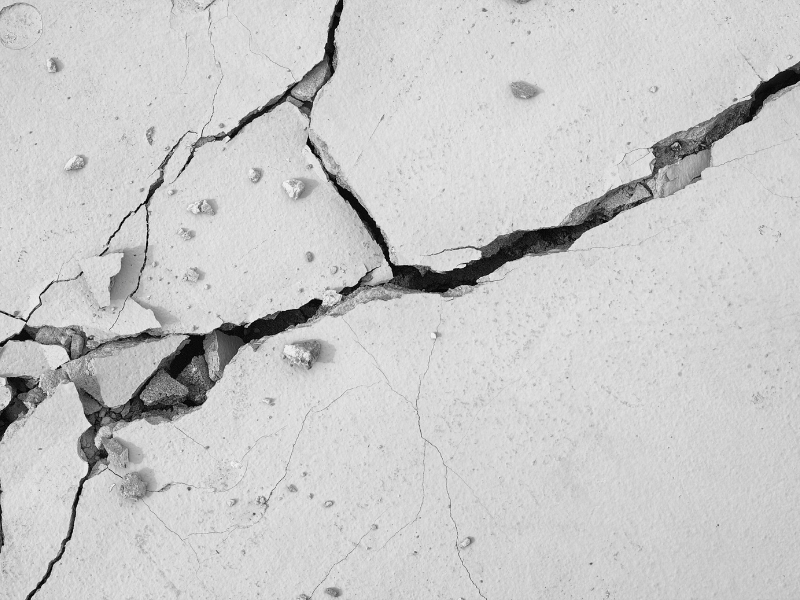
- Microcracking under cyclic loads, which propagates under repeated loading, gradually reduces cross‑sectional capacity and stiffness.
- Corrosion of reinforcement caused by moisture or carbonation, which compromises the bond between steel and concrete and reduces strength.
- Thermal cycling and freeze‑thaw exposure, especially in climates with temperature swings, induce internal stress and spall surfaces.
- Creep and shrinkage over time alter load distribution and cause differential settlement or stress concentration.
Avoiding these issues starts with a better understanding of building materials and wall systems.
Could inconsistent wall strength affect building longevity?
Inconsistent strength within wall systems significantly undermines structural durability, potentially triggering cracks, distortions, or safety issues over time. Flaws in one panel can cascade across a whole structure. Here are the consequences of inconsistent wall performance:
- Stress concentrations at weak points leading to local failure or crack propagation across wider panels.
- Differential settlement or deflection occurs as portions of the wall respond differently under load, causing misalignment or deformation.
- Leakage or moisture ingress at compromised zones which further accelerates the deterioration of concrete and reinforcement.
- Shortened service life and increased maintenance needs, forcing earlier replacement or costly repairs.
If you’re planning a structure that needs long‑term resilience, it’s worth taking time to discover reliable wall system solutions designed for lasting performance.
In what ways do concrete wall systems enhance structural integrity?
Modern concrete wall systems are designed for uniform strength, reduced errors, and superior load handling. This leads to safer, more stable structures over the long term. Here are the structural advantages delivered:
- Pre‑engineered reinforcement layouts and tensioning ensure steel is precisely placed and stress distributed optimally through the wall thickness.
- Use of high‑performance concrete mixes and additives to boost compressive strength, reduce porosity, and control shrinkage.
- Modular or prefabricated wall elements with tight tolerances allow consistent alignment, joint control, and quicker assembly.
- Integrated formwork systems that align, brace, and support until full strength is reached, reducing deflection and maintaining shape.
These principles are central to Rise Wall’s approach, designed to ensure every panel performs as engineered.
Do concrete wall systems improve energy and thermal efficiency?
Yes—concrete wall systems are now built with energy performance in mind, often outperforming older wall methods in insulation and moisture control. Here are the thermal benefits of modern wall systems:
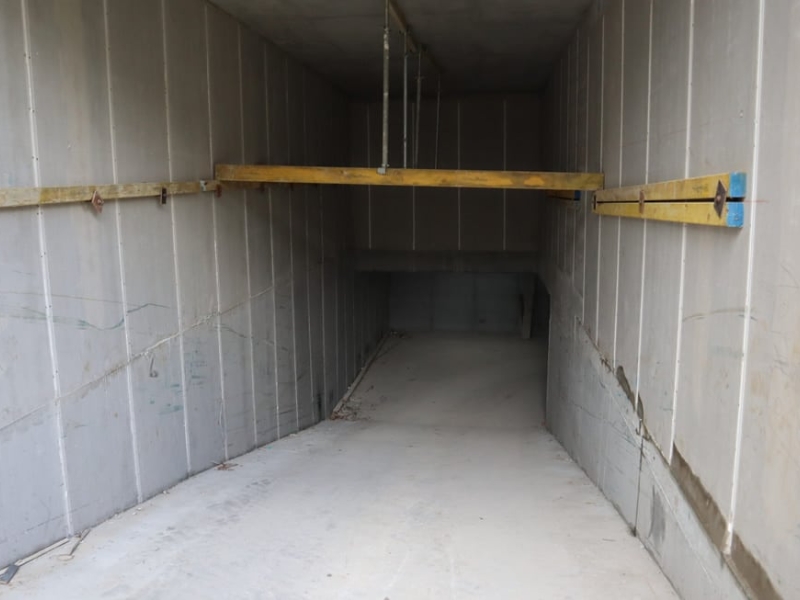
- In‑built insulation layers or sandwich panels that reduce heat transfer and maintain indoor comfort.
- Reduced thermal bridging by using composite materials or isolator strips to break the continuity of conductive paths.
- Moisture vapour control and airtight detailing help reduce heat loss and condensation risk.
- Thermal mass benefits where the wall stores heat and moderates indoor temperature swings, contributing to passive energy control.
Achieving this level of performance depends heavily on choosing the right wall formwork materials for long-term strength, especially when aiming to align with modern thermal and airtightness requirements.
Which concrete wall systems deliver the best balance between cost and safety?
Wall systems that strike the right balance use cost‑efficient materials while delivering high durability and compliance with safety standards. Here are the key criteria for evaluating wall systems:
- Material and fabrication cost vs strength yield ratio, ensuring that gains in performance justify premium materials.
- Speed and ease of installation reduce labour hours and project delays, which weigh heavily in cost.
- Durability and maintenance demands to minimise future repair costs or replacements.
- Code compliance, test certification, and warranties confirming long‑term security and liability coverage.
Careful detailing and installation also play a major role in improving structural performance through better formwork, especially when panel integrity and safety margins are critical.
Final thoughts on how concrete wall systems shape safer structures
Concrete wall systems aren’t just about construction—they’re about confidence. By improving consistency, strength, and thermal control, they offer builders a solid base for creating structures that endure. Whether you’re working on commercial or infrastructure projects, opting for a high‑performance solution such as Rise Wall can simplify delivery while meeting key engineering standards. If you’re aiming for both strength and efficiency, see how Rise Products brings efficiency and safety to every build.