



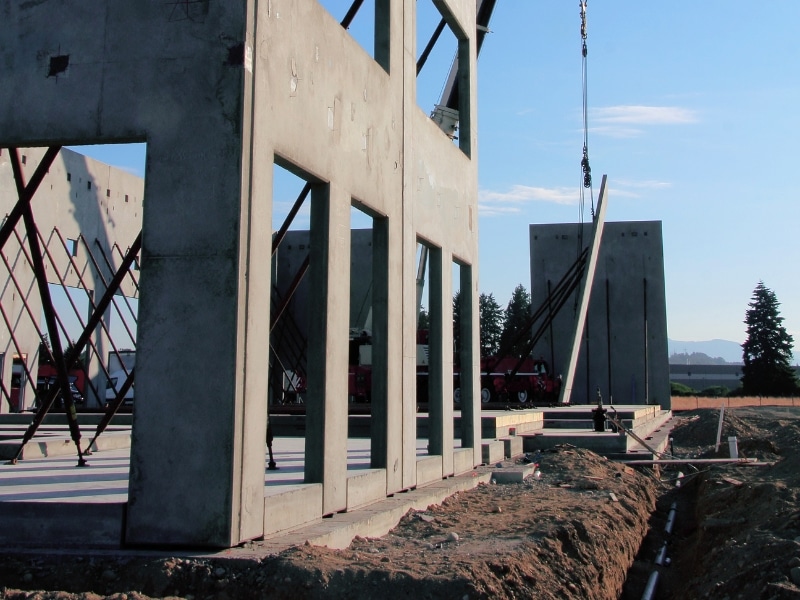
The best materials for concrete block walls strike a balance between structural compatibility, moisture control, and buildability that withstands Aussie conditions while keeping programs on track. You need components that bond, resist weather, and protect steel so the wall performs as a single, predictable unit. Choosing well limits movement, avoids voids, and prevents headaches from the first pour to final inspection. Poor choices, on the other hand, invite defects and schedule slippage—no one needs that drama on site. This article outlines the key decisions you’ll make, the pitfalls that lead to failures, and the more innovative material systems that enhance strength, durability, and speed without unnecessary rework.
Why do material choices matter for the strength of concrete block walls?
Material choices matter because blocks, mortar, grout, and steel work as a unified system; if one component is off, the entire wall underperforms. Additionally, exposure class and foundation detailing set the stage for capacity and crack control across the wall’s life. Here are the strength-critical choices:
- Block strength class: Match block compressive strength to design loads and grout to ensure bond shear remains reliable.
- Mortar type: Select a mortar that is compatible with the block’s absorption to avoid interface weakness and early cracking.
- Grout workability: Specify a pumpable, cohesive grout to ensure full-cell fill and consolidation around bars.
- Cover to reinforcement: Maintain specified cover at cores and edges to prevent hidden corrosion and spalling.
- Footing and slab interface: Tie wall design to footing performance in accordance with Australian standards for concrete footings and slabs.
- Movement detailing: Provide control joints and bond beams to prevent thermal and shrinkage strains from stacking up.
In short, compatible materials create dependable load paths and fewer surprises. Nail the footing-to-wall relationship, and you’ll keep deflection in check and serviceability in check.
What are the risks of using low-quality materials in concrete block walls?
Low-quality inputs can snowball into defects you won’t spot until handover. Variability in density, absorption, or mix design weakens the bond, while poor moisture management invites long-term degradation. Here are the typical failure triggers:
- Inconsistent blocks: Density swings reduce acoustic mass and make bed joints brittle.
- Over-strong mortar: A rigid mortar against softer blocks causes splitting at interfaces and telegraphed cracks.
- Segregated grout: Voids leave bars unbonded, setting the stage for cost blowouts on remediation.
- Missing flashings: Water tracks into cavities, discolours finishes, and corrodes ties.
- Rough penetrations: Services chew up cover, accelerating hidden corrosion behind neat linings.
- Skipped consolidation: Unvibrated cells compromise shear and out-of-plane capacity around openings.
The fix is straightforward: verify inputs, control workmanship, and keep moisture out. Do that and defect lists shrink, site morale stays high, and clients have no dramas with performance.
How does reinforcement placement affect concrete wall performance?
Reinforcement only helps if it is placed where the design expects it. Misplaced bars reduce adequate cover and lever arms, while congestion near openings blocks grout flow and weakens the section. Here are the placement essentials:
- Bar centring: Use spacers and ties to keep bars centred during pour and vibration.
- Lap and hooks: Stagger laps away from peak stresses and keep hooks clear for grout flow.
- Open cells: Confirm clear cells at every lift; blockages create dangerous weak points.
- Pour sequence: Plan lifts to avoid cold joints and ensure consolidation in congested zones.
- Documentation: Photograph steel and pours to support inspections and future maintenance.
When you need a system-level improvement in stiffness, airtightness, and speed—without re-engineering everything—consider efficient concrete wall systems for stronger structures. With bars where they belong and grout properly consolidated, the wall behaves predictably under wind and seismic actions.
Which materials improve the durability and sustainability of concrete block walls?
Durability stems from effective moisture control, a protective cover, and a chemistry that resists the local environment. Sustainability improves when mixes and components deliver performance with fewer defects and less waste across the build. Here are the durability-savvy selections:
- Pozzolanic blends, such as fly ash or slag blends, limit chloride ingress and can deliver lower embodied carbon when properly cured.
- Integral water repellents: Hydrophobic agents reduce absorption and efflorescence, easing maintenance cycles.
- Hot-dip galvanised ties: Corrosion resistance boosts life near coasts or polluted areas.
- Breathable sealants: UV-stable, vapour-permeable sealants manage moisture without trapping it.
- Verified flashing systems: Tested interfaces prevent water from entering at step-downs, sills, and cladding transitions.
Durability & sustainability snapshot
| Material or detail | Durability impact | Sustainability impact | Practical note |
| Higher-density blocks | Better wear and acoustic mass | More material per unit | Ideal at ground level and high-traffic areas |
| SR (sulphate-resistant) cements | Protects in aggressive soils | Slight footprint increase | Use only where exposure warrants |
| Pozzolanic cement blends | Chloride resistance improves | Clinker reduction | Mindset times in cool weather |
| Cavity drainage + weeps | Limits internal moisture | Fewer remedial works | Pair with robust flashing details |
| Recycled aggregates (tested) | Comparable durability when compliant | Resource recovery gains | Verify gradation and absorption |
For selection tactics and procurement checks that reduce on-site risk, knowing how to choose the right wall formwork materials is essential. Done right, you’ll maintain high performance while keeping the jobsite out of strife.
How does permanent formwork replace traditional concrete block walls effectively?
Permanent formwork creates a monolithic reinforced concrete core with stay-in-place panels, eliminating bed joints and reducing the number of moisture paths. The result is simpler consolidation, consistent cover, and cleaner finishes that don’t buckle under tight programs. Here are the practical advantages:
- Factory-set geometry: Interlocking panels deliver tighter tolerances over long runs.
- Monolithic core: Reduced joints mean fewer crack initiators and straighter load paths.
- Services planning: Pre-defined routes protect cover and speed up trades.
- Faster sequencing: Panels, steel, and pours align with predictable cycles.
- Weather resilience: Fewer wet joints reduce downtime between showers.
For projects seeking predictable strength, speed, and tidy interfaces, compare options with quality permanent formwork for modern wall projects. This approach suits basements, cores, blade walls, and boundary lines where access is tight and timeframes cannot be extended.
Why are PVC wall systems the more brilliant material choice for builders today?
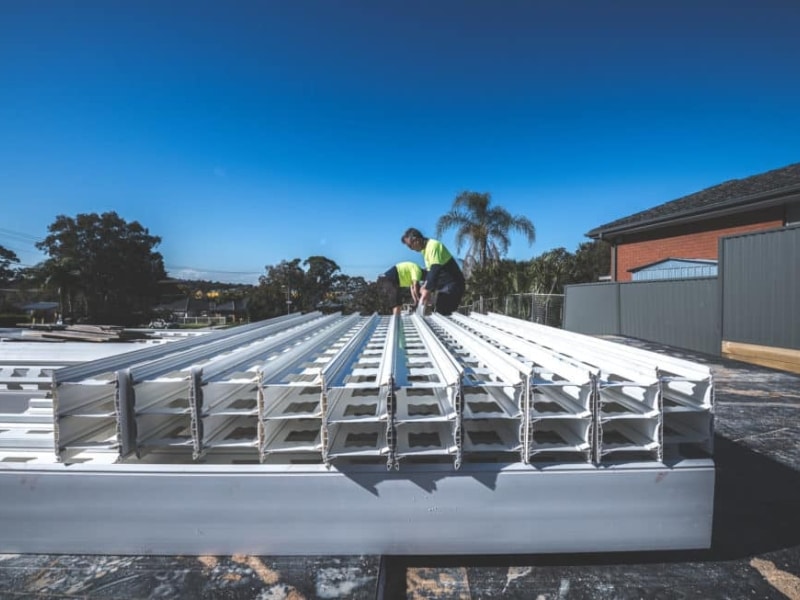
PVC stay-in-place systems shift risk from ad-hoc blockwork to a controlled assembly that’s quick to brace and pour. Less handling, fewer deliveries, and minimal rework keep neighbours happy and programs humming. Here are the on-site wins:
- Predictable pours: Repeatable set-out trims rework and lead to fewer call-backs post-handover.
- Lighter logistics: Smaller delivery footprint reduces congestion on tight urban sites.
- Quick weather recovery: Low-absorption panels reduce weather risk after showers.
- Better envelope: Continuous cores help airtightness and acoustic separation.
- Cleaner services: Penetrations are planned, not hacked in at the last minute, preserving cover and finish quality.
Across cost, time, and quality, the performance stacks up for crews who want certainty without more hard work. The knock-on effect is steadier sequencing and fewer hold-ups—no dramas when the program’s on the line.
Final thoughts
Choose materials that form a unified system, then detail them for moisture control and reliable consolidation. Prioritise reinforcement placement, compatible mixes, and interfaces that shed water rather than trap it. Permanent formwork—with PVC stay-in-place options—often removes common failure points while lifting alignment and speed. When a project calls for practical guidance and spec clarity without fanfare, discover how Rise Products simplifies modern building projects. Select early, document clearly, and hold the line in delivery so the wall performs from day one.